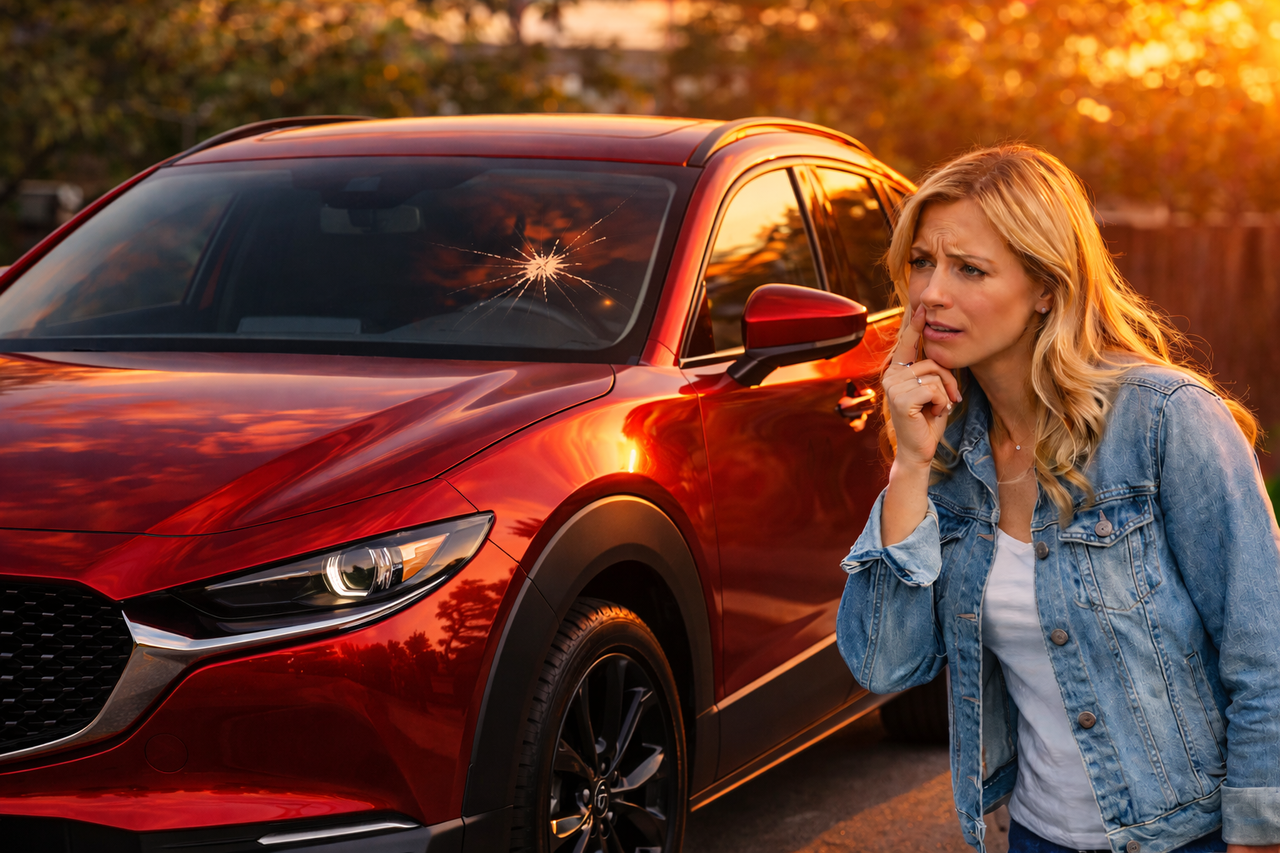
A cracked windshield best auto glass shop Greensboro has a knack for ruining good plans. It sneaks into your week at the worst time, usually right before a road trip, soccer tournament, or a run up Battleground for errands you can’t move. In Greensboro’s 27408, where weekdays blur with meetings and school runs, weekend mobile windshield replacement isn’t a luxury, it’s the lifeline that keeps the schedule intact. I’ve watched more than one family finish breakfast, sip coffee on the porch, and have the glass swapped in the driveway while the kids pack for Country Park. That’s the kind of repair that respects your time, your safety, and the car you depend on.
Why mobile matters in 27408
Greensboro’s north side isn’t built for downtime. Between Irving Park, Lake Daniel, and the daily current on Lawndale, a shop visit can stretch into an afternoon you don’t have. Mobile windshield replacement solves three problems at once. First, you avoid driving with a compromised windshield, which risks a citation and, more importantly, your safety. Second, you get the job handled where the car lives, whether that’s a garage off Cornwallis or a parking spot near Friendly Center. Third, you can stack it against your day without burning it. Weekend appointments sweeten the deal, especially when you’ve only got that Saturday window.
I’ve replaced glass on SUVs before dawn because a client needed to be in the mountains by noon. I’ve also worked in apartment lots off Pisgah Church with a rollout canopy because a sprinkle popped up mid-job. The right crew plans for the neighborhood and the weather. That’s half the craft.
What to expect from a pro mobile appointment
Reputable mobile techs show up ready. You’ll see a van stocked with OEM or high-spec aftermarket glass, primers measured for temperature and humidity, urethane rated for safe drive-away in a realistic time frame, and calibration gear if your car needs it. A solid team will confirm your VIN ahead of time, check rain sensors and forward-facing cameras, and ask where the car will sit during the cure. If they don’t bring up ADAS or the curing window, push for details. A clean job relies on the right urethane bead height, pinch-weld prep, and a cure that fits the day’s weather.
Expect forty-five minutes to an hour and a half for the physical replacement, plus any required ADAS calibration. On some late-model vehicles, we can perform windshield calibration on-site with a static rig. Others demand a dynamic calibration that involves driving a prescribed route with clear lane markings at specific speeds. A few brands need both. In 27408’s mix of streets, dynamic calibration usually goes smoothly as long as traffic cooperates.
ADAS calibration in plain terms
If your ride has lane keep, automatic emergency braking, or adaptive cruise, the camera behind your windshield needs a perfect view through properly mounted glass. Replace the windshield, and that camera loses its references. Calibration puts the system back on target. Skip it, and the car may misread lane lines or distance. That’s not a gamble worth taking on Wendover or Cone.
You’ll hear the terms “static” and “dynamic” calibration. Static uses targets and precise distances in a controlled setup. Dynamic uses the open road, guided by the scan tool. Many vehicles from Toyota, Honda, Subaru, VW, BMW, and Ford require one or both. In practice around Greensboro, a static setup happens curbside if we have the space to place targets and maintain measurements. When space is tight, or the manufacturer mandates it, we schedule a quick calibration session at a partner bay nearby. Either way, the tech should document before-and-after calibration results and clear any related codes.
OEM or aftermarket glass, and when each makes sense
I get asked this constantly in 27408: do I really need OEM glass? My rule of thumb is simple. If your vehicle’s ADAS is picky about optical distortion or the automaker ties camera performance to specific coatings and frit patterns, OEM or OE-equivalent matters. Some aftermarket panes match those specs; many do not. For luxury and late-model vehicles, I often recommend OEM because rework costs more than the initial savings. For practical daily drivers with less sensitive systems, premium aftermarket glass from reputable manufacturers performs well, provided it matches the acoustic interlayer and bracketry.
Insurance sometimes nudges toward aftermarket. You can request OEM, though you might cover the difference. If you commute early, or often drive at night, pay attention to acoustic glass and anti-reflective coatings. They reduce fatigue. That’s not fluff, that’s hours behind the wheel on Bryan Boulevard or US‑29 with your eyes fresh instead of tired.
The Saturday advantage
Weekend appointments fix two headaches. You skip rush-hour logistics, and you give the urethane a proper cure time before Monday. Most high-modulus urethanes set to a safe drive-away in 30 to 120 minutes depending on air temperature, humidity, and glass size. But “safe to drive” isn’t “fully cured.” Parking the car for the afternoon gives the adhesive the best chance to reach design strength with no stress from door slams or potholes. I’ve had home owners plan a backyard lunch while the bead cures. By dinner, the glass is bonded like it was born there.
Pro tip for Saturday bookings in 27408: if your driveway slopes toward the street, position the car so the urethane bead sets evenly relative to gravity. Your tech will know this, but it’s wise to clear the space ahead of time so the vehicle can be staged without a shuffle. If rain threatens, a pop-up canopy saves the day, but a garage is gold.
How mobile really works on the ground
A clean install starts with removing trim and cowling without breaking clips. Older plastic clips in our climate crack easily. Good techs carry replacements. Rust on the pinch-weld needs attention, otherwise future bonding suffers. I’ve found small rust blooms under the glass lip on cars that spent too many seasons under trees near Latham Park. That rust gets abraded, treated, and primers go on per manufacturer spec. Then the bead height gets tailored, not guessed. A bead too tall squeezes and smears; too short and you’ll chase wind noise on the highway.
Glass placement is a two-person dance or a single tech with a suction-lift. Either way, we settle the glass in one controlled motion. No sliding, no “bump it left a hair,” because that smears the adhesive and weakens the bond. After placement, we reinstall trim and weather seals, verify the rain sensor, and scan the car. If calibration is required, we handle it then and there, or schedule the short hop to complete it the same day.
Windshield chips, cracks, and the repair-versus-replace call
In 27408, I see a steady stream of rock chips from highway merges and construction zones. A clean chip smaller than a quarter, away from the driver’s line of sight and edges, often repairs well. The resin halts spreading and improves clarity. But once a crack reaches the edge or stretches past three to six inches, replacement is the smart choice. Summer heat around Greensboro accelerates damage. I’ve watched a one-inch star break grow two feet in a single afternoon when the car baked in a parking lot by Friendly Center. If you catch a chip early, we can save the glass and you avoid recalibration.
Edge cracks, deep impact points with crushed lamination, or damage that disrupts ADAS camera zones all push the decision to replacement. Safety beats thrift in those cases.
Insurance, glass coverage, and the fine print
Many Greensboro drivers carry comprehensive insurance that covers glass with low or zero deductible. If you’re unsure, call your carrier with your policy number and ask specifically about windshield replacement versus chip repair. Some carriers waive the deductible for repairs to encourage early fixes. For replacements, they may specify OEM, OE-equivalent, or allow aftermarket. You can state a preference. If the vehicle’s ADAS demands OEM to maintain function, that becomes part of the claim record.
A good mobile service handles the claim paperwork, photos, calibration documentation, and billing directly. You sign the authorization, the work gets done, and the claim moves without bouncing calls back to you. If a shop pushes you to pay out of pocket despite clear coverage, get another quote.
The small details that separate solid work from sloppy
Fit and finish tell the story. You shouldn’t see excess urethane squeezing into view. The cowl should sit flush. Wiper arms must park correctly, no chatter. Wind noise on Bryan Boulevard at 55 should sound no different than factory. The rain sensor should wake at a drizzle, not a downpour. If you have acoustic glass, highway drone should remain muted. I check these on every job, and I encourage owners to do the same on the test drive. One client on Cornwallis noticed a faint whistle near 45 mph. We traced it to a deformed section of old molding and replaced it on the spot. Fifteen minutes, problem solved.
Weekend work across nearby ZIPs
If your week has you looping beyond 27408, mobile teams often serve neighboring areas as well. I’ve handled greensboro windshield replacement in 27401 and 27410, quick greensboro auto glass repair in 27403 apartments, and emergency rock chip repair near 27405 when a crack started walking across the glass at lunch. The same mobile playbook applies. Confirm the exact location, ask about on-site ADAS calibration, and make sure the technician brings the right glass for your trim level. For fleets, even a few vans headquartered near 27409 or 27407 benefit from Saturday rotation to keep vehicles on the road during peak hours.
A short field story from 27408
Last fall, an owner with a brand-new SUV called from a driveway off Sunset. A small chip had grown into a six-inch crack after a chilly morning turned into a warm afternoon. She needed the car for a Sunday church shuttle and a Monday work trip to RTP. We sourced OEM acoustic glass that matched her lane-assist camera, arrived Saturday at 9, set a canopy as the sky looked indecisive, and had the old pane out in under twenty minutes. The pinch-weld had a thin rust line, so we cleaned and primed it. We set the bead, placed the glass with a lift, and reinstalled the trims. Static calibration worked perfectly in the driveway, but her model also required a dynamic run. We mapped a route along Benjamin Parkway with clear lane markings, completed the dynamic calibration in about fifteen minutes, and documented results. By lunchtime, she was back inside, car sealed, camera happy, and her weekend intact.
Weather, cure time, and Greensboro’s seasons
Greensboro’s shoulder seasons test adhesives. In spring and fall, morning cool and midday warmth swing fast. Urethane cure charts account for this, and any tech worth the badge will pick a product with a safe drive-away that matches the day. On sticky July afternoons, high humidity can actually help certain urethanes. In winter, we warm the glass, the body, or both to keep bonding in spec and extend cure time if needed. If wind gusts kick up across 27408, a windscreen or canopy keeps airborne grit out of the bond. These little adjustments prevent headaches later.
Trade-offs that matter
Speed versus certainty remains the perennial trade-off. A shop might promise a 45‑minute turnaround but rush the cure or skip calibration until later. A careful mobile crew will tell you straight if the car needs to sit longer, or if calibration has to happen at a partner bay to meet the OEM spec. I’d rather tell someone to plan two hours and finish in one forty than gamble on a hard deadline that cuts a corner. Another trade-off lies in glass choice. Cheaper aftermarket panes sometimes arrive with slight optical waviness you’ll notice at night under oncoming lights. If you drive a lot after dark, pay the difference for higher-grade glass. Your eyes will thank you.
Care after the install
Treat a new windshield like a fresh tent seam. Give it a day to settle if you can. Avoid slamming doors, because the cabin pressure can push on the bead. Leave retention tape in place until the tech says it’s fine to remove, usually 24 hours or less. Skip the high-pressure car wash for a couple of days. If you spot a small smear of primer or a bit of residue on the glass edge, ask the tech to clean it before leaving. It takes seconds and shows pride in the work.
Here’s a compact checklist you can keep handy for a weekend appointment:
- Clear 6 to 8 feet around the vehicle for tool access and target placement if calibrating. Park on level ground or give your tech a heads-up about slopes so they can stage the car. Have the key fob handy and disable auto wipers before the job starts. Plan an hour of quiet cure time after glass placement, longer if temps are low. Confirm calibration results are documented if your vehicle has ADAS.
On-site repairs beyond the windshield
Mobile teams in and around 27408 often tackle more than front glass. Side window replacement after a break-in, rear windshield replacement when a tree limb surprises you, and back glass repair on SUVs and hatchbacks all slot into a weekend schedule. These jobs add cleanup and sometimes involve clearing glass from door channels or cargo areas. Expect careful vacuuming and, when needed, replacement of vapor barriers and clips. If you manage a small fleet, weekend service pays off doubly. I’ve rotated through three vans near 27401 in a single Saturday, handling greensboro auto glass replacement and a pair of quick windshield chip repairs to keep Monday routes running.
When same-day makes sense, and when to pause
Same-day mobile work can save a road trip. It also demands honest triage. For instance, if a downpour rolls through and your vehicle requires a primer that must stay dry for a set window, we’ll reschedule. If the ADAS calibration target distances can’t be met in a cramped parking deck, we’ll shift to a bay nearby. The credible crews explain the why, not just the what. That transparency matters far more than a rushed promise.
How to choose a mobile glass partner in Greensboro
You can learn a lot in a three-minute call. Ask about glass sourcing, calibration capability, safe drive-away time for your make and model, and whether they carry replacement clips and moldings. Ask if they document calibration results and provide them to you and, when applicable, your insurer. Listen for specifics, not vague “we handle that.” A shop that regularly serves 27408 knows the quirks of the neighborhood, the traffic windows for dynamic calibration, and the local insurer preferences. Bonus points if they ask for photos of your DOT stamp or camera bracket before the appointment. That prep avoids returns.
The bottom line for 27408 drivers
Weekend mobile windshield replacement fits the way this part of Greensboro actually runs. You keep the car at home, the work slots between your plans, and the safety systems behave the way the automaker intended. With the right glass, the right urethane, and proper ADAS calibration, your vehicle feels factory-tight again. I’ve staked my reputation on that standard from Latham to Lake Jeanette, and I’ll keep doing it on Saturdays because that’s when the fix does the most good. If a crack cut across your week, don’t wait for it to widen. Line up a weekend slot, clear the driveway, and let the pros bring your windshield back to full strength while you keep your day.